The Everyday Power Solution USB-C Charger Explained
The usb-c charger has revolutionized the process of charging our devices silently. I have been writing about charging technologies a lot over the last ten years, and the transition to USB-C was one of the most significant ones. As opposed to the older chargers which were restricted by the low speed and the device specific connectors, the usb c charger brought in a universal solution that is compatible with smartphones, tablets, laptops, headphones, and even the gaming devices. This change is not merely about convenience, but also efficiency, safety and compatibility in the long run.
Personally, I have found that the use of one high-quality usb-c charger has helped me to decrease the number of cables on my desk and avoid the inconvenience of having to carry several adapters when traveling. My phone, laptop, and wireless earbuds can now be charged by a single charger without any loss.
USB-C Charger Technology and How It Works
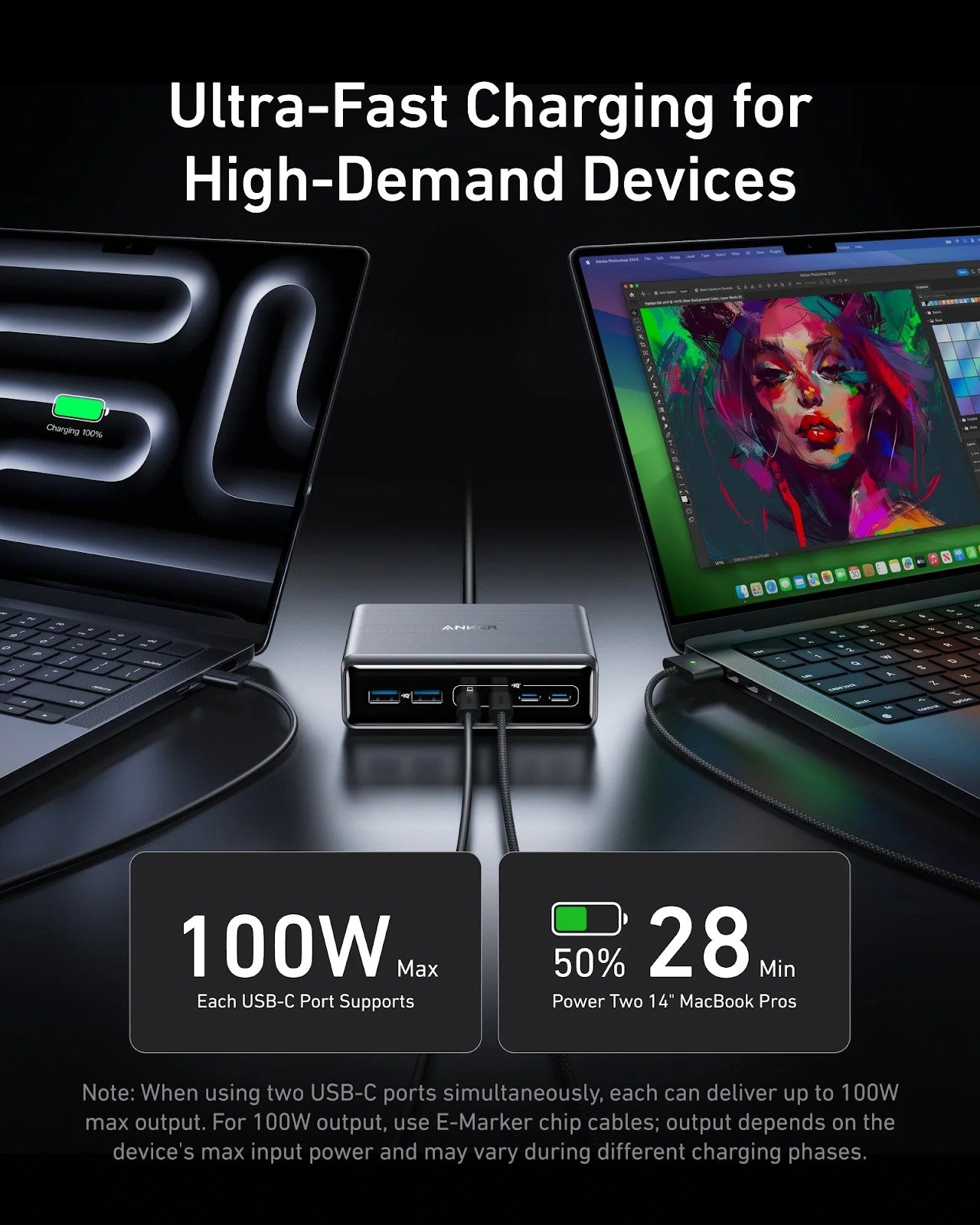
The fundamental component of a usb c charger is an intelligent power management and a reversible connector. USB-C also has USB Power Delivery, which is a protocol that enables devices and chargers to communicate and determine the amount of power required. This is why a current day usb-c charger can safely charge a small Bluetooth device at low wattage and then charge a laptop at significantly higher output.
The conventional USB chargers provided fixed power output and it frequently led to slower charging or unwarranted heat. USB-C on the contrary dynamically adjusts voltage and current. This adaptive technology enhances the speed of charging, as well as preserving the health of the battery, which is often ignored but is very important in the long-term functionality of the device.
USB-C Charger vs Older Charging Standards
The distinction between a USB-C charger and the old USB-A chargers is evident in their daily use. USB-C is faster, has increased power delivery and is reversible. The older chargers were liable to wear due to forced insertion and low durability. The USB-C connector has a higher number of insertion cycles (thousands) and is therefore more dependable in heavy daily use.
This reliability is important in the workplace. Remote workers and students rely on constant charging when they have to study or attend a meeting. A reliable USB c charger reduces inconveniences and keeps gadgets charged when they are required the most.
Choosing the Right USB-C Charger for Your Needs
The choice of the appropriate usb-c charger is based on the wattage, the quality of the construction, and certification. Smartphones tend to consume less power, whereas laptops can consume much more power. A charger that has Power Delivery capabilities and accepted safety standards is guaranteed to be consistent across devices.
After many years of evaluating tech accessories, I would always suggest using chargers with overvoltage and temperature protection. The cheaper options can perform well at first, but tend to wear out sooner and sometimes even destroy other devices that they are connected to. The cost of a reliable usb c charger is worth the reliability and peace of mind.
Real-World Benefits of Using a USB-C Charger
Future readiness is one of the largest benefits of a usb-c charger. USB-C ports are being standardized by many manufacturers, and this implies that accessories bought today will probably work in years to come. This minimizes electronic waste and cost in the long run.
Personally, I have been able to use one usb c charger to charge various devices, which has enhanced productivity in my workflow. There is reduced idle time spent in charging devices and fewer cables to carry around when traveling or changing of work. Such minor efficiencies accumulate with time.
Common Myths About USB-C Charger Safety
The most common question is whether a high-power usb-c charger may harm smaller devices. Practically, USB Power Delivery will avoid this by negotiating the appropriate level of power prior to charging. Devices will only attract what they require and modern usb c chargers are safer than most of the older ones.
Another issue is the heat generation. Although fast charging is capable of generating warmth, certified chargers are created to be efficient in heat dissipation. Adequate ventilation and good materials are important in ensuring safe operating temperatures.
Conclusion
The usb-c charger is not a fad but a sensible development in the charging technology. The fact that it is fast, safe, and versatile makes it applicable to both students and professionals as well as ordinary users. I have been writing and testing tech products over the last ten years, and I can say with certainty that a reliable usb c charger makes life easier and prepares you to use other devices in the future. To any person constructing a modern and efficient digital infrastructure, the transition to USB-C charging is a reasonable and futuristic move.