How to Host a Middle Eastern Dinner at Home
You host a Middle Eastern dinner at home by planning a simple mezze spread, picking one solid main dish, and setting a table that makes your guests feel welcome. That’s really the whole recipe, and it’s one I learned from my mother.
She could turn a handful of fresh ingredients into a feast without breaking a sweat. By the time anyone walked through the door, she’d already have warm pita bread, flavorful dips, and her favorite recipes spread across the table. Those nights inspired everything I share here at Zaytoons Restaurant. In this post, I’ll walk you through the dishes, the ingredients, and the hosting tips that bring a Middle Eastern dinner together. You don’t need any fancy skills, though, just good food and a little heart.
Middle Eastern Dinner Ideas Worth Trying at Home
The best Middle Eastern dinner ideas start with a mix of small plates, one standout main, and plenty to share. Here’s how I like to break it down.
Small Plates and Mezze
A good Middle Eastern spread kicks off with mezze. Think fresh hummus, baba ganoush, tabbouleh salad, and stuffed grape leaves. These small dishes give your guests a chance to explore different flavours before the main course even hits the table. Middle Eastern recipes like these have gained a following far beyond the region because they’re easy to prepare and absolutely delicious to eat.
Choosing a Main Dish
Pick one flavorful main dish as your centrepiece. Lamb kofta, chicken shawarma, or a spiced eggplant bake all work well for a crowd (and honestly, your guests won’t stop talking about it). The goal is to build a menu with enough variety so every person at the table finds something they love. Once you’ve locked in your mezze and your main, the rest of the dinner falls into place naturally.
Stock Up on Fresh Ingredients and Olive Oil
Believe it or not, just a quick trip to the store for the right fresh ingredients makes every Middle Eastern dish taste twice as good with half the effort.
Now, let’s look at what you’ll need before you start cooking.
- Good Olive Oil: I’ve gone through more olive oil bottles than I can count, and the cheap stuff just doesn’t compare. A quality bottle brings out the natural flavors in everything, from salad dressings to roasted eggplant and grilled peppers.
- Fresh Herbs and Spices: Parsley, mint, and cilantro are the fresh herbs that show up in almost every Middle Eastern recipe. When you combine them with warm spices like cumin and coriander, even a simple dish of roasted tomatoes and chickpeas turns into something flavorful and delicious.
- Seasonal Produce: If you have a local farmers’ market nearby, that’s the best place to find fresh vegetables, vibrant peppers, and ripe tomatoes at a fair price. Places like Trader Joe’s also carry solid Middle Eastern spices and pantry staples if the market isn’t an option.
Stock up on these basics, and you’ll have everything you need to cook most of the recipes in this post.
Pita Bread and the Staples You Can’t Skip
Have you ever noticed how a warm piece of pita bread makes everything on the table taste better? Believe it or not, the bread can steal the show from the main dish sometimes. A good pita works like an edible utensil, perfect for scooping up dips, wrapping around grilled meats, or tearing off a piece to drag through a fresh salad.
My mother always said the dip spread was the heart of any Middle Eastern meal. She’d make her hummus from scratch using chickpeas, lemon juice, and a drizzle of olive oil until it had that creamy texture you can’t get from a store-bought tub. Right next to it, she’d set out a garlicky baba ganoush and a bowl of seasoned yogurt dip with fresh herbs.
And don’t skip the sides. A bright fattoush salad with crispy pita bread chips adds crunch and fresh flavors that balance out the richer dips and dishes on the table. Pickled turnips bring a tangy bite, too, and they pair well with almost every Middle Eastern recipe on the spread.
Once you’ve got the staples covered, the focus shifts to the main dishes.
Mediterranean Diet Dishes That Belong on the Table
Some of the most popular Mediterranean diet recipes already fit perfectly into a Middle Eastern dinner spread, so you don’t need to reinvent anything.
Here are a few of my favorite recipes and why they work so well.
| Dish | Why It Works |
| Grilled Fish with Lemon and Herbs | Light, flavorful, and pairs well with fresh vegetables |
| Lentil Soup | Filling, healthy, and easy to make ahead |
| Roasted Chicken with Spices | A crowd favorite that feeds the whole family |
| Quinoa Tabbouleh Salad | A fresh combination of whole foods and bright flavors |
| Stuffed Eggplant with Chickpeas | Hearty, delicious, and naturally dairy-free |
| Spinach and Feta Dip | A creamy, flavorful snack your guests will love |
The beauty of these Mediterranean recipes is that most of them use lean proteins, fresh vegetables, and whole grains, so the food is healthy without losing any flavor.
You don’t have to sacrifice taste to eat well. This combination of wholesome ingredients and bold Middle Eastern spices makes every dish on the table something worth coming back for.
Gluten-Free Swaps with South Asian and East Asian Flavors
What do you do when someone at the table can’t eat gluten, but you still want bold flavors? Frankly, good food shouldn’t leave anyone out. Thankfully, a few simple swaps can keep your Middle Eastern recipes just as delicious without the gluten.
These are the ones I reach for when I cook for guests with dietary needs.
- Flatbread Alternatives: Swap regular pita bread for coconut flatbread or rice paper wraps to keep things gluten-free and still fun to eat. These work great for scooping up dips and wrapping around grilled meats, so your guests won’t feel like they’re missing out on anything (because no one should have to sit out a good meal).
- South Asian Spices: Borrowing warm spices from south asian and indian food traditions gives your Middle Eastern dishes a whole new layer of flavor. A pinch of turmeric or garam masala in your lentil soup or chickpea salad adds a flavorful, healthy twist that’s easy to explore once you get comfortable with the combination.
- East Asian Drizzles: Try finishing a roasted eggplant dip or a fresh vegetable plate with a drizzle of east asian sesame oil or chili crisp. I started doing this at a dinner party last fall, and it brought a warm, smoky depth to recipes that already had great flavor on their own.
These swaps open up your menu to more people at the table without losing any of the bold, flavorful Middle Eastern food your guests came for.
From there, it’s all about how you represent it during mealtime.
Hosting Tips Straight from the Middle East
Learning a few cultural food traditions from the Middle East can turn a regular dinner party into something your guests remember for weeks. And honestly, this part is what people remember most.
I didn’t always get this right, but after hosting enough dinners, I realized how setting the table changes the whole mood. These tips will help you get it right the first time.
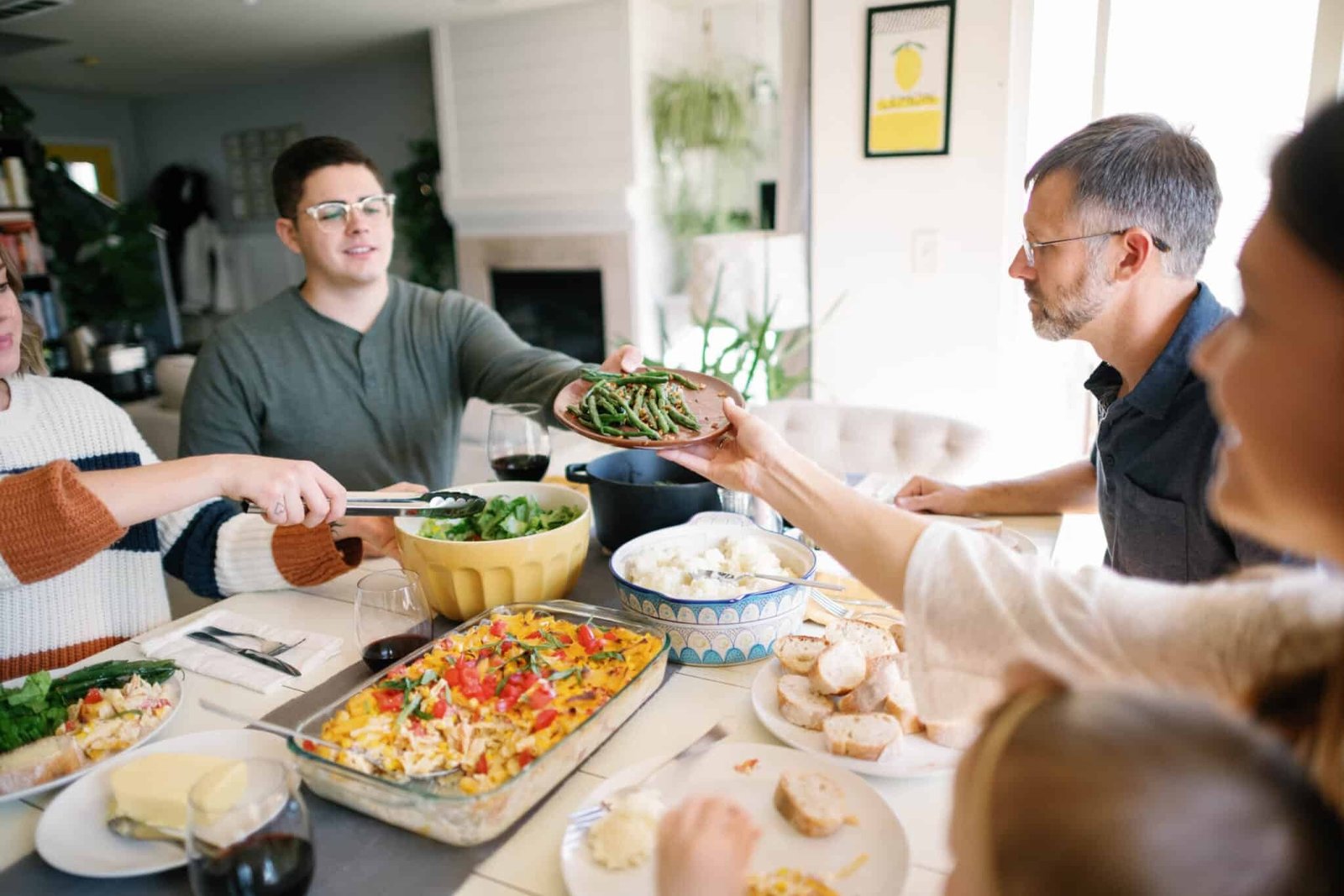
- Serve Family Style: In the Middle East, generosity at the table is rooted in longstanding traditions of warmth and community. Load up large platters with your best dishes and set them in the center so everyone shares from the same spread. This way of preparing food brings people closer and keeps the night feeling relaxed, like a big family gathering rather than a stiff dinner party.
- Welcome Your Guests Well: When your guests arrive, greet them with something warm to snack on while you finish up in the kitchen. In traditional Middle Eastern dining customs, the guest is always served first as a sign of respect. Even setting out a few small dishes of hummus, fresh vegetables, and pita bread goes a long way. And don’t worry about using your fine china either. Paper plates work just fine for a casual Middle Eastern cookout with friends.
- End with Coffee or Tea: Brew a pot of Arabic coffee or fresh mint tea to close out the meal. This is one of those Middle Eastern recipes for a perfect night that people around the world have enjoyed for centuries. I hope you try it, because once your guests taste that first warm sip after a big meal, they won’t want to leave.
Set the food out, keep the energy warm, and let the community around your table do the rest.
Pull Up a Chair and Pass the Hummus
Now that you’ve got the menu, the ingredients, and the hosting playbook, there’s only one thing left to do. Cook the food, set out the hummus, and let your guests dig in. A Middle Eastern dinner doesn’t need to be perfect. It just needs to feel warm and welcoming. Start with a few simple recipes, explore new flavors and spices, and build from there. Toss out a vibrant salad, some delicious snacks for the kids, and maybe a small dessert to end the night. Even the dogs will be hoping for a bite.
The best family meals happen when the cook stops worrying and sits down at the table to eat with everyone else. So plan your dishes, invite your friends, and enjoy every flavorful, delicious bite of the food you made with your own hands.