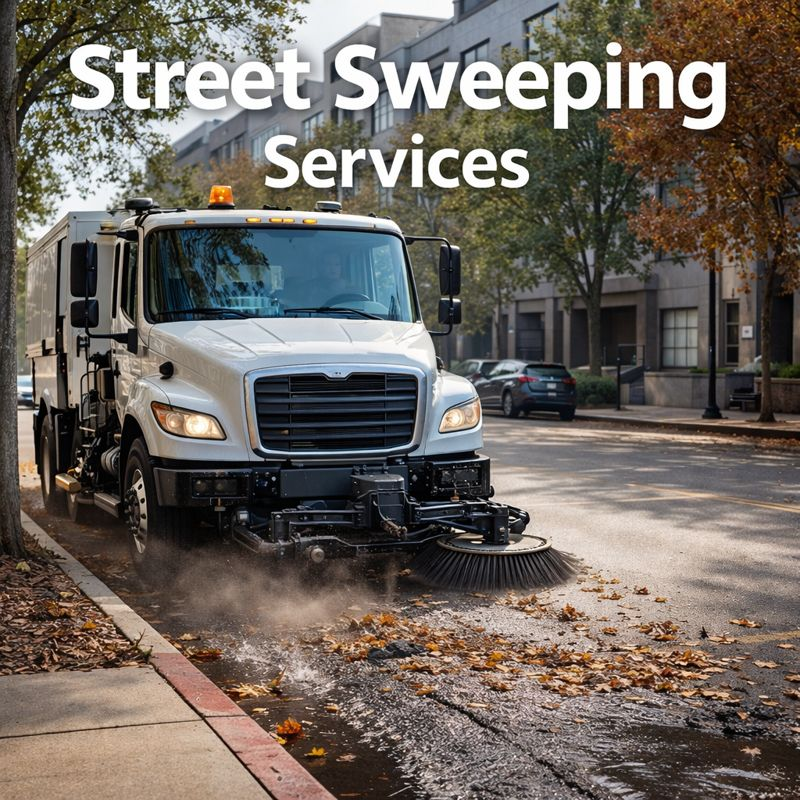
How Street Sweeping Services Improve Safety, Drainage, and Air Quality
Street sweeping service is one of those behind-the-scenes jobs most people don’t notice until it stops happening. But across Australia, from busy CBD roads to quiet suburban streets, regular street sweeping plays a much bigger role than just keeping things tidy.
It directly affects road safety, stormwater drainage, and even the air we breathe. Let’s break it down in simple terms and look at why street sweeping matters more than most people realise.
Street Sweeping Service And Road Safety
Australian roads deal with a lot. Dust from construction sites, fallen leaves, loose gravel, tyre debris, and rubbish build up faster than you’d expect. When all that stays on the road, it becomes a real safety risk.
Loose sand and gravel reduce tyre grip, especially for motorcycles, cyclists, and during sudden braking. Wet leaves can be as slippery as ice after rain. Add poor visibility from dust clouds on dry days, and you’ve got the perfect setup for accidents.
A consistent street sweeping service removes these hazards before they cause trouble. Clean roads mean better traction, clearer lane markings, and safer conditions for everyone, including pedestrians and cyclists. For councils, it’s a preventative safety measure that costs far less than dealing with accidents after the fact.
Cleaner Streets Mean Better Drainage
Australia’s stormwater systems are designed to move rainwater quickly off roads and into drains. The problem starts when those drains get blocked. Leaves, silt, plastic waste, and road debris are the main culprits behind blocked gutters and pits.
Once water can’t flow freely, it pools on the road, floods footpaths, and in some areas, spills into nearby homes or businesses. Regular street sweeping service tackles this problem at the source. By removing debris before it reaches drains, sweeping helps keep stormwater systems working as intended.
It is essential during Australia’s heavy rainfall events, where even a small blockage can turn into a flooded street within minutes. Councils that invest in proactive sweeping often see fewer emergency callouts during storms and lower long-term maintenance costs.
How Street Sweeping Improves Air Quality
This is the part most people don’t think about. All that dust and fine debris sitting on roads doesn’t just stay there. Every passing vehicle lifts tiny particles back into the air. These particles include soil dust, brake residue, tyre wear, and pollutants from vehicle exhausts.
Once airborne, they contribute to poor air quality, especially in urban areas and industrial zones. Modern street sweeping service uses advanced vacuum and water-assisted systems that capture fine particles instead of just pushing them around.
It reduces airborne dust and helps improve local air quality. For residents, it means fewer respiratory irritants. For councils, it supports environmental compliance and public health goals. In warmer, drier Australian climates, this benefit becomes even more noticeable.
Environmental Protection Beyond The Road
Civilcraft Street sweeping service also protects waterways. Debris left on roads eventually washes into stormwater systems, which often flow directly into rivers, creeks, and coastal areas without treatment. Pollutants like oil residue, heavy metals, and microplastics can harm aquatic ecosystems once they enter waterways.
Sweeping removes these contaminants early, acting as a first line of environmental defence. It is crucial in coastal cities and areas near sensitive habitats, where runoff quality has a direct impact on marine life.
Why Street Sweeping Service Matters for Councils And Communities
For Australian councils, street sweeping is about more than appearance. It supports public safety, reduces infrastructure damage, improves environmental outcomes, and enhances liveability. For residents and businesses, cleaner streets feel safer, reduce flood risks, and create a healthier environment.
It’s one of those services that quietly does a lot of heavy lifting without demanding attention. When done regularly and properly, street sweeping service delivers value well beyond what meets the eye.
Conclusion
Street sweeping service isn’t just about clean streets. It’s about safer roads, smarter drainage, healthier air, and better cities across Australia. When it’s done right, everyone benefits, even if they never stop to notice it.
FAQs
1. How often should street sweeping service be done in Australia?
It depends on traffic levels, surrounding vegetation, and weather conditions. Busy urban roads may need weekly sweeping, while residential areas often work well with fortnightly or monthly schedules.
2. Does street sweeping service really reduce flooding?
Yes. By removing debris before it enters drains, street sweeping helps keep stormwater flowing freely, reducing water pooling and flood risks during heavy rain.
3. Is street sweeping service environmentally friendly?
Modern sweeping equipment is designed to collect fine particles and pollutants efficiently. It helps prevent contamination of waterways and reduces airborne dust, making it environmentally beneficial.
4. Can street sweeping improve air quality in residential areas?
Absolutely. By removing dust and fine debris from roads, street sweeping reduces the amount of particulate matter kicked into the air by passing vehicles.
5. Who is responsible for street sweeping in Australia?
Local councils usually manage street sweeping for public roads. In industrial estates, private complexes, or construction zones, property managers often arrange their own street sweeping service.
Disclaimer
The information provided in this article, “How Street Sweeping Services Improve Safety, Drainage, and Air Quality,” is intended for general informational and educational purposes only. While every effort has been made to ensure the accuracy and relevance of the content, it should not be considered professional, engineering, environmental, or legal advice.
Street sweeping practices, environmental impacts, and safety outcomes may vary depending on location, equipment, local regulations, and site conditions. Readers should consult qualified professionals, local councils, or environmental authorities before making decisions based on the information presented in this article.