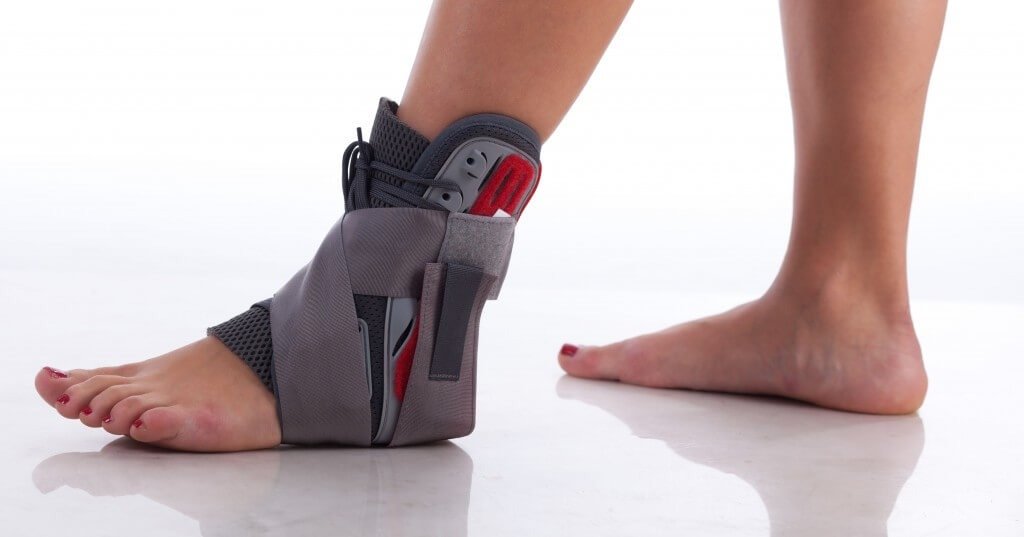
Drop Foot Ankle Braces Explained How They Improve Walking Stability
Walking is something most people don’t think about until it becomes difficult. For individuals with drop foot, each step can feel uncertain, tiring, or even risky. A Drop Foot Ankle Brace is one of the most common tools used to improve walking stability and confidence. This article explains what drop foot is, how ankle braces help, and how they fit into a broader picture of daily support products. We’ll also touch briefly on other supportive items—such as a Suspensory Testicular Supporter and a snoring gum shield—to show how different devices serve very different needs. Examples from the brand Bodyassist are included for context, not promotion.
What Is Drop Foot?
Drop foot (sometimes called foot drop) is a condition where lifting the front part of the foot becomes difficult. Instead of clearing the ground naturally during a step, the toes may drag or point downward. This often leads to tripping, slower walking, or a noticeable change in gait.
Drop foot isn’t a disease on its own. It’s usually a symptom caused by issues such as:
- Nerve injury or compression
- Stroke
- Multiple sclerosis
- Spinal cord conditions
- Muscle weakness after surgery or injury
The severity can range from mild weakness to complete inability to lift the foot.
How Drop Foot Affects Walking Stability
Normal walking requires coordinated movement between the muscles, nerves, and joints of the leg and foot. When the muscles that lift the foot don’t work properly, the body compensates in other ways. People may:
- Lift the knee higher than usual (steppage gait)
- Swing the leg outward
- Take shorter, cautious steps
These compensations increase fatigue and raise the risk of falls. Over time, they can also lead to discomfort in the hips, knees, or lower back.
What Is a Drop Foot Ankle Brace?
A Drop Foot Ankle Brace is an orthotic device designed to support the foot and ankle during walking. Its main job is to hold the foot in a more neutral position, preventing the toes from dropping downward.
There are several common styles:
- Rigid braces that provide strong support and limit movement
- Flexible braces that allow some ankle motion while assisting foot lift
- Strap-based systems that connect the foot to the lower leg or shoe
The right type depends on the cause of drop foot, activity level, and comfort needs.
How a Drop Foot Ankle Brace Improves Walking
1. Helps Clear the Ground
By holding the foot up during the swing phase of walking, the brace reduces toe dragging. This simple change can greatly lower the chance of tripping.
2. Encourages a More Natural Gait
Instead of exaggerated movements to compensate for weakness, the brace supports smoother steps. This can make walking feel less awkward and more efficient.
3. Improves Confidence and Safety
Fear of falling often causes people to walk slowly or avoid movement altogether. Added stability can make daily activities—like moving around the house or going outside—feel safer.
4. Reduces Fatigue
When the body doesn’t have to overcompensate for foot weakness, walking requires less energy. This is especially helpful for people who walk frequently during the day.
When Is a Drop Foot Ankle Brace Recommended?
Healthcare providers may suggest an ankle brace when:
- Drop foot interferes with safe walking
- Muscle weakness is expected to last weeks or longer
- Physical therapy alone isn’t enough for stability
- Recovery is ongoing, but support is needed in daily life
In many cases, braces are used alongside physical therapy to strengthen muscles and improve coordination.
Comfort and Daily Use Considerations
Wearing an ankle brace regularly means comfort matters. A poorly fitted brace can cause pressure points or skin irritation. Key factors to consider include:
- Fit: Proper sizing is essential
- Shoe compatibility: Some braces require specific shoe types
- Material: Breathable materials help with long-term wear
- Ease of use: Simple fastening can make daily routines easier
Brands like Bodyassist often design braces with everyday wear in mind, focusing on function rather than appearance.
How Drop Foot Braces Compare to Other Support Devices
Support devices exist for many parts of the body, each with a specific purpose. Comparing them helps clarify what an ankle brace can—and cannot—do.
Suspensory Testicular Supporter
A Suspensory Testicular Supporter is used to support the groin area, often after surgery or during certain medical conditions. Its role is to reduce movement and provide gentle lift. Unlike an ankle brace, it doesn’t affect walking mechanics but can improve comfort during movement.
Snoring Gum Shield
A snoring gum shield, often worn at night, helps position the jaw or tongue to reduce airway obstruction. It has nothing to do with mobility or balance, but it shows how targeted support devices address very specific problems.
Each of these items serves a different function. A Drop Foot Ankle Brace is specifically about walking stability and lower limb control.
Can a Brace Replace Therapy or Medical Treatment?
No. An ankle brace is a supportive tool, not a cure. It doesn’t fix nerve damage or muscle weakness on its own. Most people benefit most when a brace is combined with:
- Physical therapy
- Medical treatment for the underlying cause
- Regular monitoring and adjustment
Over time, some individuals may need less support, while others may use a brace long-term.
Adjusting to Life With a Drop Foot Brace
It’s normal for wearing a brace to feel strange at first. Many users need a short adjustment period. Helpful tips include:
- Start by wearing it for short periods
- Check skin regularly for irritation
- Follow professional guidance on use
- Use supportive footwear
With time, many people report that walking feels easier and more predictable.
1. What does a Drop Foot Ankle Brace do?
It supports the foot in a neutral position, helping prevent toe dragging and improving walking stability.
2. Can I wear a drop foot brace all day?
Many people do, but this depends on comfort, fit, and professional advice. Breaks may be recommended.
3. Will an ankle brace weaken my muscles?
When used appropriately and combined with therapy, braces generally do not cause muscle weakening. A healthcare provider can guide proper use.
4. How is a Drop Foot Ankle Brace different from other supports like a Suspensory Testicular Supporter?
An ankle brace supports walking mechanics, while a suspensory supporter focuses on groin comfort and stability. They serve completely different purposes.5. Does a snoring gum shield help with walking or balance?
No. A snoring gum shield is used during sleep to help with breathing and snoring, not mobility.
Disclaimer
The information provided in this article is for educational and informational purposes only and is not intended as medical advice. A Drop Foot Ankle Brace, as described here, is a supportive device and should not be considered a cure for drop foot or any underlying medical condition. Use of any brace or medical device should be guided by a qualified healthcare professional. Individual results may vary depending on the severity of the condition, physical therapy, and other treatments. References to specific products or brands, such as Bodyassist, are provided for illustrative purposes and do not constitute an endorsement. Always consult your doctor, physiotherapist, or other licensed medical provider before starting, adjusting, or discontinuing the use of any medical device, brace, or supportive equipment.