How office aesthetics and functionality impact employee mental health and productivity
The Psychology of Workspace Design: How Your Office Environment Shapes Success
In the rapidly evolving world of business, the physical environment in which we work has transcended mere functionality. It is no longer just about having a place to sit and a surface to work on; it is about creating an ecosystem that fosters creativity, supports mental well-being, and drives productivity. As we move further into the 2020s, the “psychology of space” has become a trending topic among facility managers, interior designers, and business owners alike.
Understanding how lighting, layout, color, and furniture choices influence human behavior is critical. A poorly designed office can lead to fatigue, low morale, and physical strain, while a strategically planned workspace can energize a team and enhance cognitive function.
The Connection Between Comfort and Cognitive Performance
The relationship between physical comfort and mental acuity is well-documented. When an employee is physically uncomfortable—distracted by back pain from a poor chair or eye strain from bad lighting—their cognitive resources are drained. Instead of focusing on complex problem-solving or creative innovation, their brain is subconsciously processing discomfort.
This is where the concept of “ergonomic flow” comes into play. A workspace that creates a seamless flow between the user and their tools reduces friction. It allows for what psychologists call “deep work”—a state of distraction-free concentration that pushes cognitive capabilities to their limit. Achieving this requires high-quality furnishings that are adjustable and supportive.
Color Theory and Spatial Layout
Beyond physical comfort, the visual cues of an office send powerful signals to the brain. Color psychology suggests that blue and green hues promote calm and focus, making them ideal for high-stress industries. Conversely, accents of yellow or orange can stimulate creativity and energy, perfect for brainstorming zones.
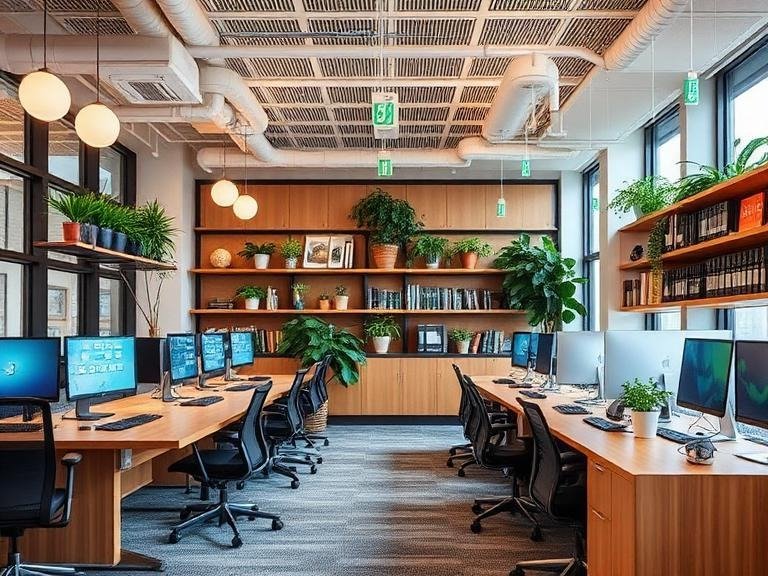
However, color is only effective if the spatial layout supports the workflow. The open-plan office, once hailed as the ultimate solution for collaboration, has faced a backlash due to noise and lack of privacy. The modern solution is the “hybrid layout” or “agile workspace.” This design incorporates quiet zones for focused work, breakout areas for casual collaboration, and formal meeting rooms.
To implement this effectively, businesses need versatile furniture solutions that define these zones without building permanent walls. Using shelving units as dividers or arranging desks in clusters can create micro-environments within a larger floor plan.
The Role of Professional Furniture in Corporate Culture
Your office furniture speaks volumes about your company culture. A workspace filled with mismatched, outdated, or uncomfortable furniture sends a subtle message to employees that their comfort is not a priority. On the other hand, investing in sleek, modern, and professional furniture signals stability, success, and care for employee well-being.
For businesses looking to make a lasting impression, sourcing the right equipment is paramount. Whether you are fitting out a startup hub or redesigning a corporate headquarters, the quality of your desks and chairs sets the tone. Many Australian companies rely on trusted suppliers to find pieces that balance aesthetics with durability. For example, Desk one office furniture has become a go-to resource for businesses seeking to elevate their interiors with pieces that blend modern design language with ergonomic science.
Biophilic Design: Bringing the Outdoors In
Another massive trend in SEO and interior design is “Biophilic Design.” This involves integrating natural elements into the built environment. Humans possess an innate tendency to seek connections with nature. Incorporating plants, natural wood grains, and maximizing natural light can reduce stress levels and improve mood.
Furniture plays a role here too. Choosing desks with natural wood finishes or sofas with organic textures can soften the harsh lines of a corporate building. It creates a “resimercial” feel—a blend of residential comfort and commercial durability—which helps employees feel more relaxed and at home while they work.
Conclusion Investing in Your Greatest Asset
Ultimately, your workforce is your greatest asset. By applying the principles of workspace psychology, you are investing in their potential. A well-designed office is a tool that unlocks higher performance, better health, and greater job satisfaction. It requires a thoughtful approach to every element, from the paint on the walls to the desk they sit at every day.
Disclaimer
The content of this article, “The Psychology of Workspace Design: How Your Office Environment Shapes Success,” is intended for informational and educational purposes only. It does not constitute professional advice in the fields of interior design, psychology, ergonomics, or workplace management. While the article references general principles of workspace psychology, comfort, and design, individual results may vary based on specific workplace conditions, employee needs, and local regulations.
Businesses and individuals should consult with qualified professionals—such as certified interior designers, ergonomists, or occupational health experts—before making significant changes to office layouts, furniture choices, or environmental factors. The mention of any company, brand, or product (including Desk One Office Furniture) is for illustrative purposes only and does not constitute an endorsement or guarantee of performance.