Childrens Squatting Stool Helping Kids Build Healthier Bathroom Habits Early
Why Bathroom Posture Matters for Children
For many parents, teaching kids to use the toilet is already a challenge. Add constipation, hesitation, and long bathroom battles — and it becomes even harder.
But one thing often gets overlooked:
Children struggle with toilet posture.
Most standard toilets are designed for adults. When kids sit on them:
- Their feet dangle
- Their knees sit too low
- Their bodies feel unstable
- They tense muscles instead of relaxing
This can lead to habits like:
- Straining
- Holding stool in
- Fear of using the toilet
- Constipation becoming routine
That’s where a Childrens Squatting Stool can make a meaningful difference.
What Is a Childrens Squatting Stool?
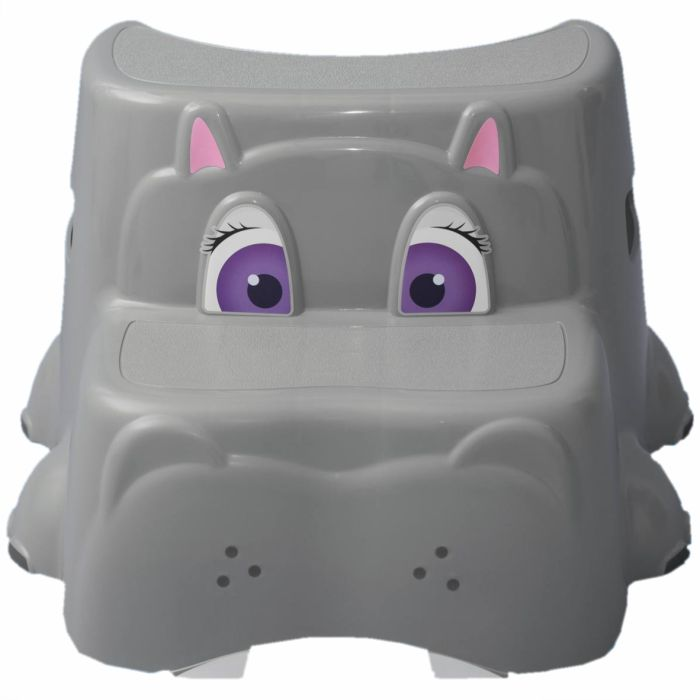
A Childrens Squatting Stool is a small, ergonomic stool placed in front of the toilet so children can rest their feet while they sit.
Instead of dangling legs and poor balance, kids gain:
A grounded, secure feeling
Knees slightly raised
A more natural, squatting-style posture
The goal isn’t to force full squatting — it’s to gently align the hips and rectum so the body works the way it’s designed to.
For growing bodies, this support can be incredibly helpful.
How Better Posture Supports Easier Bowel Movements
Inside the body, there’s a muscle called the puborectalis. Its job is to hold stool in place until it’s time to go. When kids sit upright with legs hanging, that muscle doesn’t fully relax — making it harder to pass stool comfortably.
With a Childrens Squatting Stool, three things happen:
- The colon straightens slightly
- Gravity begins to assist instead of resist
- The pelvic floor relaxes more naturally
For kids, that often means:
- Less pushing
- Shorter bathroom time
- Fewer “I don’t want to go” moments
- Less anxiety about poop being painful
Good posture can’t replace hydration, fibre, or healthy routines — but it removes an unnecessary barrier.
Everyday Benefits Parents Notice
Parents who introduce a squatting stool often see subtle but meaningful improvements.
Common benefits include:
- Kids gaining independence in the bathroom
- Reduced constipation episodes
- Less strain and discomfort
- More confidence in using public or unfamiliar toilets
- Better long-term toilet habits
It also supports children who:
- Are potty training
- Experience withholding behavior
- Have digestive issues
- Struggle with sitting balance on regular toilets
And, importantly — it fits seamlessly into everyday bathroom life without feeling medical or complicated.
Why Squatty Potty Australia Is a Trusted Choice
When it comes to posture-supporting bathroom products, Squatty Potty Australia has earned strong trust among families.
What stands out about their designs:
- Child-friendly heights and shapes
- Stable bases to prevent slipping
- Smooth edges and easy-clean surfaces
- Options that blend with Australian bathrooms
- Education on safe, supportive bathroom routines
Their mission is simple:
make bathroom posture healthier for all ages — without stress, gimmicks, or embarrassment.
A dedicated Childrens Squatting Stool from Squatty Potty Australia helps parents encourage comfort, independence, and better digestive habits from an early age.
Final Thoughts
Teaching kids healthy bathroom habits doesn’t need to feel like a struggle.
The Childrens Squatting Stool is a small, practical tool that supports:
- Natural posture
- Easier bowel movements
- Less straining
- Happier, more confident kids
By combining posture awareness with good hydration, fibre-rich meals, and gentle encouragement, parents can help children build lifelong digestive habits — without discomfort becoming part of the story.
Sometimes, the most effective solutions really are the simplest.
Disclaimer
The information provided in this article is for educational and informational purposes only and is not intended as medical advice. A Drop Foot Ankle Brace, as described here, is a supportive device and should not be considered a cure for drop foot or any underlying medical condition. Use of any brace or medical device should be guided by a qualified healthcare professional. Individual results may vary depending on the severity of the condition, physical therapy, and other treatments. References to specific products or brands, such as Bodyassist, are provided for illustrative purposes and do not constitute an endorsement. Always consult your doctor, physiotherapist, or other licensed medical provider before starting, adjusting, or discontinuing the use of any medical device, brace, or supportive equipment.